
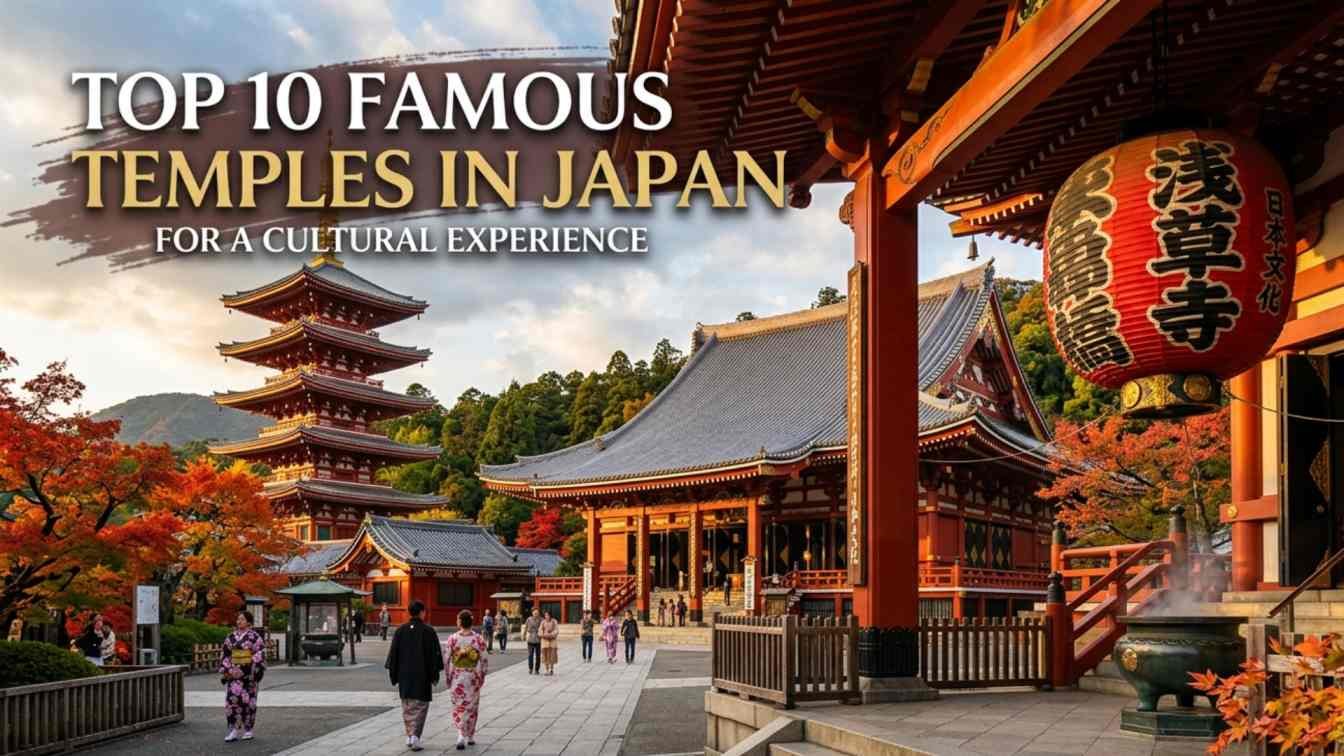
Japan is a land where tradition meets modern life beautifully, and one of the best ways to explore its rich heritage is by visiting the Famous Temples in Japan. From ancient wooden structures to stunning shrines surrounded by nature, these sacred places offer a deep insight into Japanese culture, spirituality, and history.
Whether you are planning your trip or simply exploring Japanese traditions, this guide will help you discover the top temples in Japan for a cultural experience while also giving you useful travel tips and resources.
Table of Contents
Why Visit Famous Temples in Japan?
Japan’s temples and shrines are more than just tourist attractions—they are spiritual centers that reflect centuries of tradition. Visiting them allows you to:
- Experience authentic Japanese culture
- Learn about Buddhism and Shinto beliefs
- Enjoy breathtaking architecture and landscapes
- Participate in rituals and festivals
Before visiting, it’s important to understand proper behavior and customs. You can learn more about this in this helpful guide on Japanese cultural etiquette.
10 Famous Temples in Japan
Discover the beauty of the Famous Temples in Japan, where tradition, spirituality, and history come together. From the peaceful shrines of Kyoto to the vibrant temples of Tokyo, each destination offers a unique cultural experience. These iconic temples reflect Japan’s rich heritage, stunning architecture, and timeless charm, making them a must-visit for every traveler.
1. Kinkakuji Temple (Golden Pavilion, Kyoto)
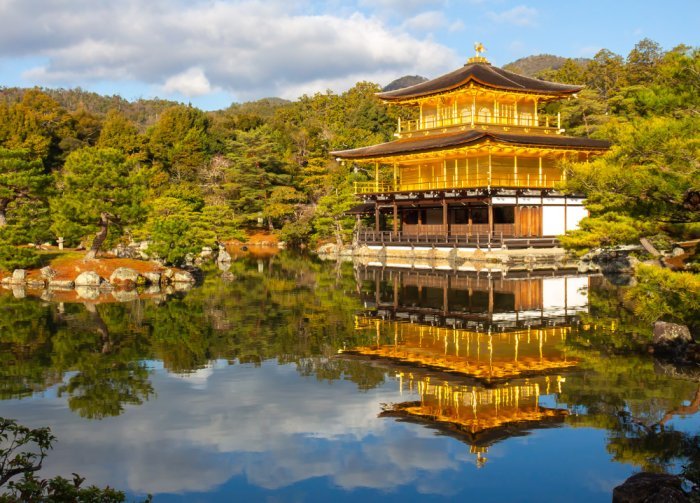
One of the most iconic Famous Temples in Japan, Kinkakuji is covered in gold leaf and reflects beautifully in the surrounding pond. Located in Kyoto, this Zen Buddhist temple is a must-visit for travelers seeking serenity and beauty.
- Famous for: Golden architecture
- Best time to visit: Autumn and winter
- Cultural highlight: Harmony between nature and design
If you want to explore more about Kyoto’s traditions, check out this guide on traditional Japan in Kyoto.
2. Senso-ji Temple (Tokyo)
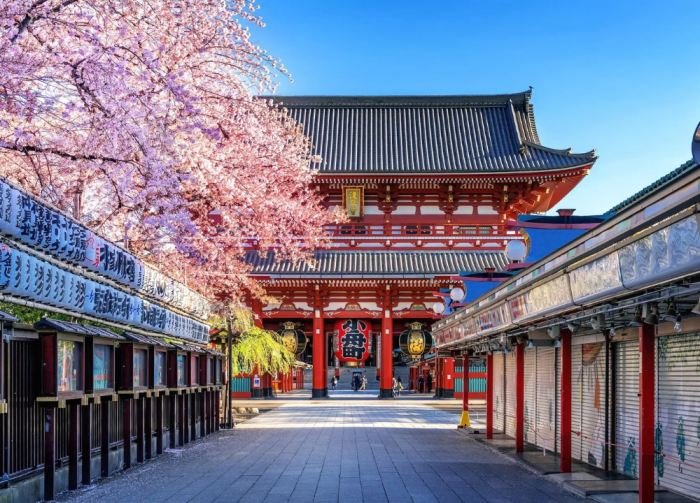
Located in Asakusa, Senso-ji is Tokyo’s oldest temple and one of the most visited spiritual sites in Japan. The vibrant street leading to the temple offers shopping and local snacks.
- Famous for: Kaminarimon Gate and lantern
- Experience: Street shopping and food
- Tip: Visit early morning to avoid crowds
Plan your visit with this detailed Tokyo travel guide and explore nearby markets with this shopping in Japan guide.
3. Nezu Shrine
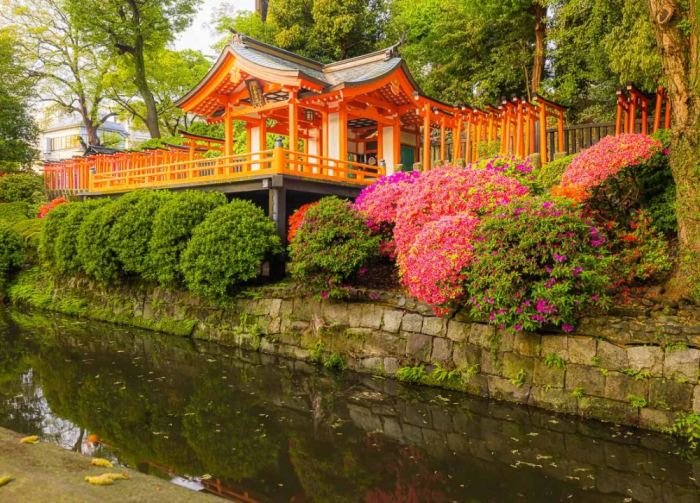
Nezu Shrine is one of Tokyo’s hidden gems, known for its beautiful torii gates and peaceful gardens. It is less crowded compared to other temples, making it perfect for a calm experience.
- Famous for: Azalea festival
- Atmosphere: Quiet and traditional
- Ideal for: Photography lovers
You can also explore more hidden gems in Japan for unique travel experiences.
4. Itsukushima Shrine
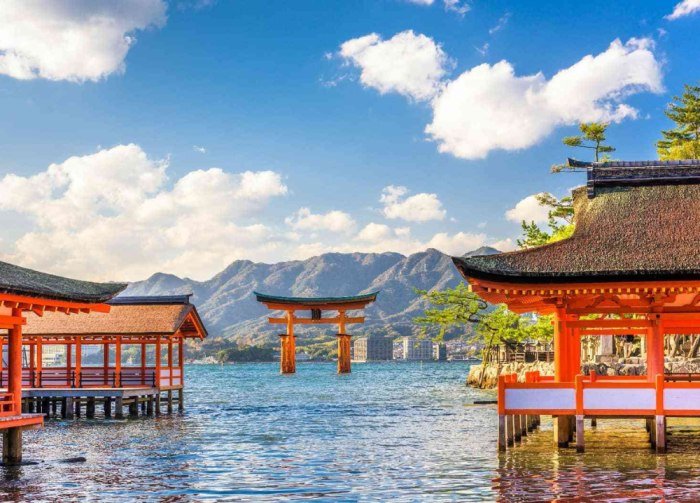
Known as the “floating shrine,” Itsukushima Shrine appears to float on water during high tide. It is one of Japan’s most scenic and spiritual locations.
- Famous for: Floating torii gate
- UNESCO World Heritage Site
- Best viewed during sunset
For adventure lovers, combine your trip with outdoor adventures in Japan.
5. Fushimi Inari Taisha
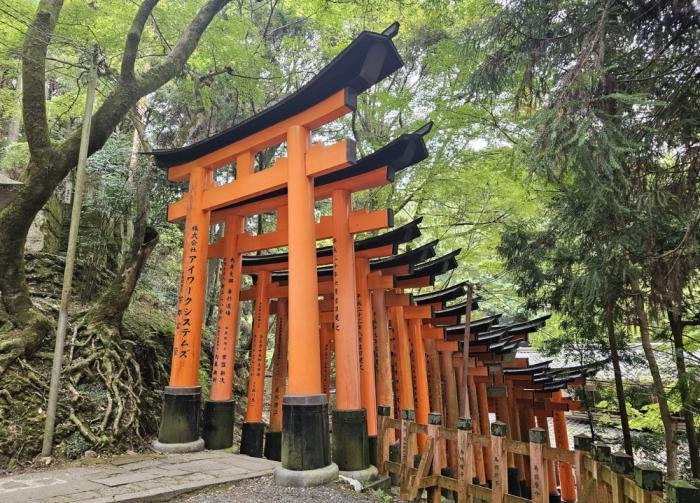
This shrine is famous worldwide for its thousands of red torii gates forming a path up the mountain. It’s one of the most photographed places in Japan.
- Famous for: Torii gate tunnels
- Best time: Early morning or evening
- Experience: Hiking + spirituality
Before visiting, check the best time to visit Japan to plan your trip efficiently.
6. Kiyomizu-dera Temple
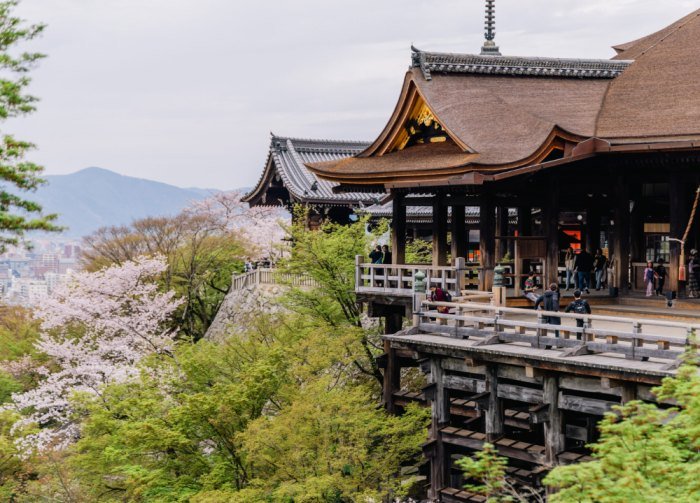
Kiyomizu Temple offers stunning views of Kyoto from its wooden terrace. It’s especially popular during cherry blossom and autumn seasons.
- Famous for: Wooden stage
- Cultural importance: Historic monument
- Tip: Visit during seasonal festivals
Learn more about Japanese seasons to experience its beauty at the right time.
7. Meiji Jingu Shrine
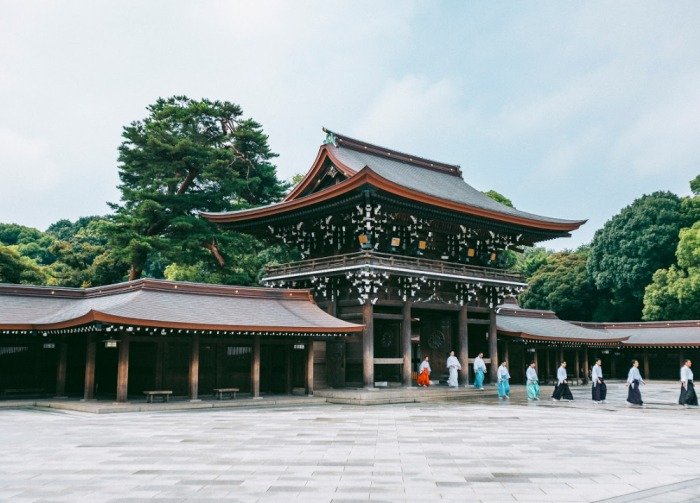
Dedicated to Emperor Meiji, this shrine is located in a lush forest in the heart of Tokyo. It offers a peaceful escape from city life.
- Famous for: Forest surroundings
- Rituals: Traditional weddings
- Best for: Spiritual calm
If you’re planning to study or stay longer, explore government scholarships for studying in Japan.
8. Enryaku-ji Temple
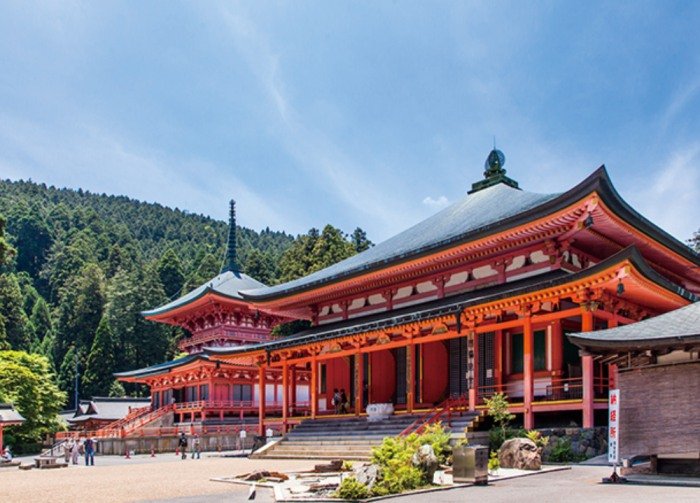
Located on Mount Hiei, Enryaku-ji is a historic temple complex and a center of Buddhist learning.
- Famous for: Mountain location
- Experience: Scenic and spiritual retreat
- Ideal for: History enthusiasts
If you’re considering long-term stays, check out best student accommodation in Japan.
9. Hasedera Temple
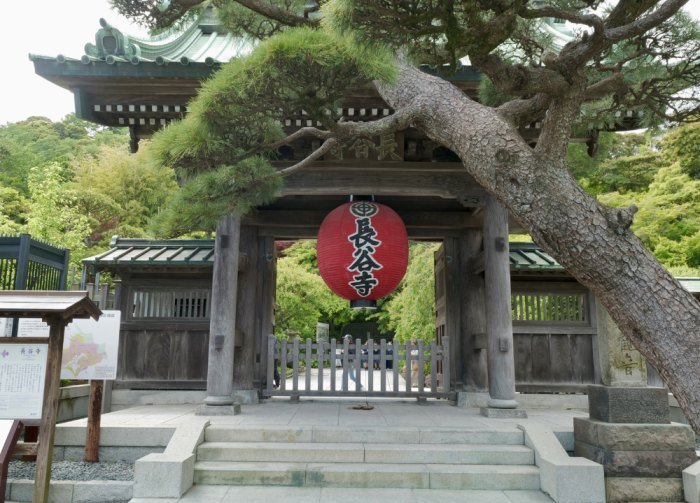
Hasedera Temple is known for its giant statue of Kannon, the goddess of mercy, and its beautiful coastal views.
- Famous for: Kannon statue
- View: Ocean and gardens
- Best for: Relaxed sightseeing
If you’re traveling from India, here’s a guide to apply for Japanese student visa from India.
10. Hida Sannogu Shrine
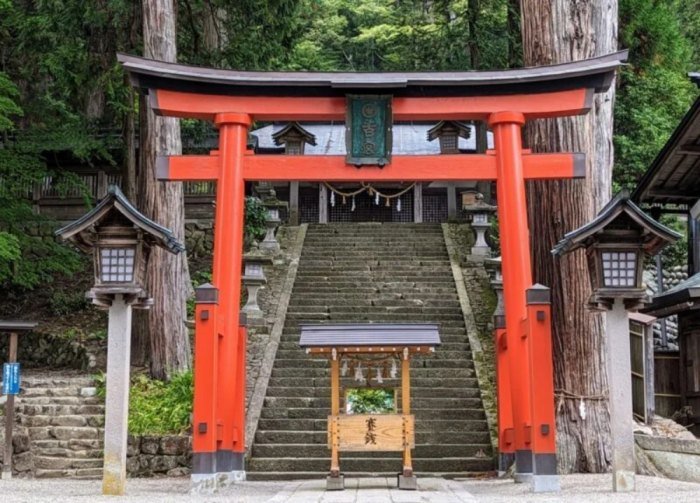
Located in the historic town of Takayama, this shrine reflects traditional Japanese architecture and hosts vibrant festivals.
- Famous for: Takayama Festival
- Cultural importance: Local traditions
- Experience: Authentic rural Japan
To explore more travel tips, check out this complete guide on travel to Japan.
Travel Tips for Visiting Famous Temples in Japan
To make the most of your cultural journey, keep these tips in mind:
1. Use Public Transport
Japan has one of the best transport systems. Learn how to navigate it with this guide on how to use Japan public transport.
2. Try Local Food
Temple visits are incomplete without tasting local dishes. Explore Japanese cuisine for a complete food experience.
3. Learn Basic Japanese
While not mandatory, knowing basic Japanese can enhance your experience. Check out do I need to learn Japanese to go to Japan and also read about the benefits of learning Japanese language in 2026.
Study & Cultural Opportunities in Japan
If visiting these temples inspires you to explore Japan further, you can also consider studying there.
- Explore scholarship opportunities in Japan
- Learn about student life and culture
- Discover affordable living options
Best Time to Explore Famous Temples in Japan
Choosing the right time is important for the best experience:
- Spring (March–May): Cherry blossoms
- Autumn (September–November): Colorful leaves
- Winter: Peaceful and less crowded
- Summer: Festival season
Plan your journey using this guide on the best time to visit Japan.
Conclusion
Exploring the Famous Temples in Japan is one of the most enriching cultural experiences you can have. From the golden beauty of Kinkakuji to the spiritual serenity of Meiji Jingu and the iconic torii gates of Fushimi Inari, each temple tells a unique story.
Whether you are a traveler, student, or culture enthusiast, Japan’s temples offer something unforgettable. Plan your trip wisely, respect local traditions, and immerse yourself in the beauty of Japanese heritage.
FAQs – Famous Temples in Japan
1. What are the most famous temples in Japan for tourists?
The most Famous Temples in Japan include Kinkakuji Temple, Senso-ji Temple, and Fushimi Inari Taisha. These temples are known for their historical importance, stunning architecture, and cultural experiences. If you’re planning a trip, check this complete guide on travel to Japan for better planning.
2. Which is the oldest temple in Japan?
Senso-ji Temple is considered the oldest temple in Tokyo and one of the oldest in Japan, dating back to 645 AD. It is one of the top attractions for travelers exploring Japanese heritage. You can explore more places in Tokyo with this Tokyo travel guide.
3. What is the best time to visit famous temples in Japan?
The best time to explore Famous Temples in Japan is during spring (cherry blossom season) and autumn (fall foliage). These seasons enhance the beauty of temples like Kiyomizu-dera Temple. Plan your visit with this best time to visit Japan guide.
4. Are temples and shrines in Japan different?
Yes, temples and shrines are different in Japan. Temples are associated with Buddhism, while shrines follow Shinto beliefs. For example, Meiji Jingu Shrine is a Shinto shrine, while Kinkakuji Temple is a Buddhist temple. Learn more about traditions in this Japanese cultural etiquette guide.
5. How can I travel between famous temples in Japan?
You can easily travel between Famous Temples in Japan using Japan’s efficient trains and buses. Cities like Kyoto and Tokyo are well connected to major temples. Read this guide on how to use Japan public transport for easy travel tips.
6. Are famous temples in Japan free to visit?
Many temples in Japan are free, but some popular ones like Kiyomizu-dera Temple and Kinkakuji Temple may charge a small entry fee. These fees help maintain the historical sites. You can plan your budget using this travel to Japan guide.
7. Which temples in Japan are best for photography?
Temples like Fushimi Inari Taisha (torii gates) and Itsukushima Shrine (floating shrine) are among the best for photography. For more unique spots, explore hidden gems in Japan.
8. Can I visit famous temples in Japan during festivals?
Yes, many Famous Temples in Japan host seasonal festivals. For example, Hida Sannogu Shrine is famous for the Takayama Festival. You can also explore cultural activities and seasonal events in this Japanese seasons guide.
9. Do I need to learn Japanese before visiting temples in Japan?
No, you don’t need to learn Japanese, but basic knowledge can enhance your experience at temples like Nezu Shrine. Read this helpful guide on do I need to learn Japanese to go to Japan and also explore the benefits of learning Japanese language in 2026.
10. Can I study or live near famous temples in Japan?
Yes, many students choose to live in cities like Kyoto and Tokyo, which are home to several Famous Temples in Japan such as Enryaku-ji Temple. You can explore best student accommodation in Japan and apply through this apply for Japanese student visa from India guide.