

Planning an international vacation can feel overwhelming, especially when the destination is as culturally rich and beautifully diverse as Japan. If you are searching for How to Plan a Trip to Japan, you are likely looking for clear steps, practical travel tips, cost insights, and a simple guide to build a stress-free itinerary. This detailed Japan travel guide walks you through everything—best time to visit, itinerary ideas, visa requirements, must-visit places, budget planning, and more.
Whether you are preparing a trip to Japan from India, exploring the cheapest time to visit Japan, or planning a Japan itinerary for 7 days, this guide will help you map out each phase of your journey with confidence. Japan offers a perfect blend of ancient traditions, futuristic cities, peaceful shrines, cherry blossom views, and world-famous cuisine. With careful preparation, you can experience the country’s highlights without feeling rushed or overwhelmed.
In this complete travel guide, you’ll learn how to plan a trip to Japan step-by-step, how to manage your travel budget, where to stay, how to get around efficiently, and what to explore in Tokyo, Kyoto, Osaka, Hiroshima, Nara, and beyond. By the end, you’ll have everything you need to design a comfortable, exciting, and well-balanced trip.
How to Plan a Trip to Japan
Planning a trip to Japan becomes easier when you break it into steps. Start by deciding your travel dates, setting a budget, and choosing major cities like Tokyo, Kyoto, and Osaka. Check visa requirements, book flights early, and look for affordable accommodations near train stations. Research transport options such as the JR Pass and plan a simple itinerary based on your interests. From cherry blossoms to temples and nightlife, Japan offers something for everyone—making your journey smooth and memorable.

Phase 1: Essential Planning – How to Plan a Trip to Japan the Right Way
To make the most of your visit, begin your planning at least 2–4 months before your travel date. Japan is one of the most popular travel destinations in Asia, and early planning ensures cost savings and better availability of hotels, flights, and rail passes. Book Your Own Trip To Japan
1. Decide When to Go – Choosing the Best Time to Visit Japan
The first step in learning How to Plan a Trip to Japan involves deciding the right season. Japan offers different experiences in each season, and your travel goals should guide your choice. Japan’s Culinary Jewels
Spring (March–May)
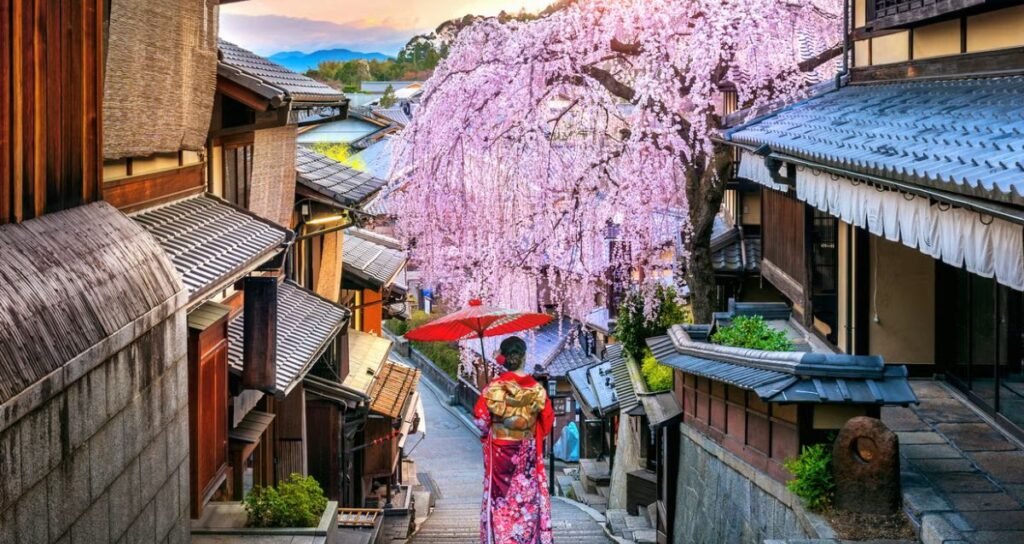
Spring is the Japan cherry blossom season, one of the most iconic times to visit. Parks, temples, and cities bloom with sakura trees. March and April are peak months, so book early.
Autumn (September–November)
Autumn brings red, orange, and gold foliage. The weather is comfortable, making it one of the most scenic seasons.
Winter (December–February)
If you enjoy snow, skiing, or quieter cities, winter is perfect. Regions like Hokkaido are famous for winter sports.
Summer (June–August)
Summer is hot and humid, but festivals, fireworks, and beach towns make it exciting.
Cheapest Time to Visit Japan
For budget-friendly travel, the most affordable months are:
- Late January
- February
- Early June
- Early December
Travel costs for flights and hotels drop significantly during these periods. Best Time to Visit Japan
2. Determine Trip Length and Build Your Japan Itinerary
Many travellers wonder how many days are enough for Japan. On average:
- 7 days → Ideal for first-time visitors exploring Tokyo and Kyoto
- 10–12 days → Covers Tokyo, Kyoto, Osaka, Nara, Hiroshima
- 14 days → A deeper cultural and historical trip
A proper Japan itinerary 7 days could look like:
Day 1–3: Tokyo
Day 4: Hakone/Mount Fuji
Day 5–7: Kyoto + Nara + Osaka
This covers the Golden Route—Japan’s most famous travel corridor.
3. Understand Japan Visa Requirements for Indians
If you are planning a trip to Japan from India, understanding the visa process is essential.
Indian travellers must apply for a Japan tourist visa before departure. Here’s what you need:
- Valid passport
- Bank statements for the last 6 months
- Confirmed hotel bookings
- Detailed travel itinerary
- Flight tickets
- Employment proof (if applicable)
Visa approval usually takes 5–7 working days.
Also complete Visit Japan Web—the online immigration and customs form—to speed up airport procedures. Travel to Japan
4. Research Japan’s Top Tourist Attractions
Japan offers countless experiences. To simplify your planning, here are the most popular Japan tourist attractions:
Tokyo
- Shibuya Crossing
- Tokyo Skytree
- Asakusa Senso-ji Temple
- Akihabara
- Shinjuku Gyoen Park
If you’re searching for things to do in Tokyo, focus on a blend of shopping streets, cultural spots, gardens, and observatories.
Kyoto
- Fushimi Inari Shrine
- Arashiyama Bamboo Forest
- Kiyomizu-dera Temple
- Gion (Geisha district)
Osaka
- Osaka Castle
- Dotonbori
- Universal Studios Japan
Hiroshima
- Peace Memorial Park
- Miyajima Island
Mount Fuji / Hakone
- Lake Kawaguchi
- Fuji Five Lakes
- Hot spring onsens
These are genuinely among the best places to visit in Japan for new travellers.
5. Secure Essential Travel Documents
Before booking flights, ensure:
- Your passport is valid for your entire stay
- You have completed the Japan visa requirements
- All hotel and flight confirmations are saved digitally
- You register for Visit Japan Web for smoother arrival procedures
Phase 2: Booking and Logistics – The Practical Part of How to Plan a Trip to Japan
After deciding when to go and what to see, the next step is managing logistics. Book your flights early, choose well-located accommodation, understand Japan’s train and bus systems, and arrange reliable connectivity through a pocket Wi-Fi or eSIM to ensure smooth, stress-free travel throughout your trip. Japanese Cultural Etiquette
1. Booking Flights to Japan
Book flights 3–6 months in advance for the best rates.
Popular airports
- Tokyo Haneda (HND) – closest to central Tokyo
- Tokyo Narita (NRT) – more flights, farther from the city
- Osaka Kansai (KIX) – ideal for Kyoto, Osaka, Nara
Consider open-jaw tickets such as:
Fly into Tokyo → Fly out of Osaka
This reduces long-distance travel within Japan.
2. Reserving Accommodations
Book your hotel or traditional Japanese inn (ryokan) early, especially if traveling during cherry blossom season or autumn. Best Time to Visit Japan
Stay suggestions
- Tokyo: Shinjuku, Shibuya, Asakusa
- Kyoto: Gion, Kawaramachi, Arashiyama
- Osaka: Namba, Umeda
- Hakone: Traditional ryokans with hot spring baths
Ryokans provide an authentic Japanese experience—tatami rooms, futon beds, and kaiseki meals. Japan Food Guide
3. Planning Transportation Within Japan
Transportation is one of the most important steps in How to Plan a Trip to Japan.
Intercity Travel
The Shinkansen bullet train is the fastest way to travel.
You may consider:
- Japan Rail Pass (JR Pass) – cost-effective for long journeys like Tokyo–Kyoto–Osaka–Hiroshima
- Regional passes – often cheaper if you stay in one region
- Individual tickets – best when traveling short distances
City Travel
Use IC cards such as Suica or Pasmo for buses and trains. They save time and simplify navigation.
Navigation Tools
- Google Maps
- Japan Travel by Navitime
Both provide accurate routes and train timings.
4. Arrange Internet Connectivity
Reliable internet is crucial for maps, translations, and bookings.
Options include:
- Pocket Wi-Fi (best for groups)
- Japanese eSIM or physical SIM
- Airport rental counters
Phase 3: Itinerary, Budgeting, and Preparation
Itinerary, budgeting, and preparation are key to planning a smooth Japan trip. Create a balanced itinerary by grouping nearby attractions to save time. Set a realistic budget for transport, food, and stays based on your travel style. Book hotels early, prepare essential documents, pack light, and learn basic etiquette to enjoy a stress-free and organized travel experience. Travel Tips and Language Guide

1. Drafting a Japan Itinerary That Matches Your Travel Style
Divide your itinerary by location to avoid long daily travel times. Don’t pack too many attractions into one day. Japan has plenty to explore, but it’s best enjoyed slowly.
Sample Itinerary Structure
- Historical days (Kyoto temples)
- Modern days (Tokyo skyscrapers)
- Nature days (Mount Fuji/Hakone)
- Cultural days (tea ceremony, kimono experience)
Include rest days—Japan involves a lot of walking.
2. Understanding Japan Travel Cost
The Japan travel cost varies based on accommodation, food, transportation, and activities.
Average Budget for India to Japan (per person for 7–10 days)
- Flights: ₹35,000–₹70,000
- Hotels: ₹4,000–₹12,000 per night
- Food: ₹800–₹2,500 per day
- Transport: ₹10,000–₹25,000
- Attractions: ₹5,000–₹15,000
Total estimated cost: ₹90,000–₹1.8 lakh
You can reduce costs by:
- Choosing hostels
- Buying convenience store meals
- Walking more
- Using regional train passes
3. Packing Essentials for Japan
Japan weather changes quickly, so pack wisely.
Essentials
- Light clothing layers
- Comfortable walking shoes
- Power bank
- Travel-size toiletries
- Small backpack
- Raincoat or umbrella
- Currency in Japanese Yen
Japan is still partly cash-based; small restaurants and shrines prefer cash.
4. Learning Basic Etiquette and Cultural Norms
Respectful behaviour is important in Japan. Here are simple etiquette tips:
- Tipping is not practiced
- Speak softly on trains
- Remove shoes when entering homes and some restaurants
- Stand on the correct side of escalators
- Queue politely and wait your turn
These small gestures enhance your overall experience. Shopping in Japan
Phase 4: Japan Travel Tips for First Timers
Here are practical tips every first-time traveller should know: Plan your days efficiently, buy attraction tickets online, use Google Maps for routes, carry a pocket Wi-Fi or eSIM, keep cash for small shops, avoid rush-hour trains, try convenience store meals, use coin lockers for luggage, pack light, and learn basic Japanese phrases for smoother communication.
- Buy tickets for popular attractions online
- Carry a reusable water bottle
- Convenience stores like 7-Eleven sell affordable meals
- Avoid peak hours on trains
- Use coin lockers for luggage storage
- Download offline maps
- Try local food such as sushi, takoyaki, ramen, tempura, and matcha treats
These tips simplify your trip and help you travel like a local. Outdoor Adventures in Japan
Frequently Asked Questions About Planning a Trip to Japan
Below are the FAQs you provided, rewritten in a polished, easy-language format:
1. What is the best time to visit Japan?
The best time to visit Japan is during spring (March–May) and autumn (September–November) when the weather is pleasant and the scenery is beautiful.
2. How much does a Japan trip cost from India?
A 7–10 day Japan trip from India usually costs between ₹90,000 and ₹1.8 lakh, depending on your flight, hotel, transport, and activity choices.
3. Do Indians need a visa for Japan?
Yes, Indian citizens must apply for a Japan tourist visa. Required documents include financial statements, itinerary, flight bookings, and hotel reservations.
4. How many days are enough for Japan?
Most travellers prefer 7–12 days to comfortably explore Tokyo, Kyoto, Osaka, and Hiroshima.
5. Is Japan safe for tourists?
Yes, Japan is one of the safest countries in the world, with low crime rates and reliable public transport. Japan Festivals
6. What are the must-visit places in Japan?
Tokyo, Kyoto, Osaka, Mount Fuji, Nara, and Hiroshima are the most popular tourist attractions.
7. What is the best way to travel within Japan?
The Japan Rail Pass (JR Pass) is the most efficient and economical option for intercity travel.
8. When is the cherry blossom season in Japan?
Cherry blossoms typically bloom between late March and early April, varying by region.
9. Is Japan expensive for tourists?
Japan can be moderately expensive, but budget options like hostels, street food, and local trains make it affordable.
10. What food should I try in Japan?
Must-try dishes include sushi, ramen, tempura, okonomiyaki, takoyaki, udon, and matcha desserts. Japanese Cuisine
Conclusion
Understanding How to Plan a Trip to Japan helps you build a smooth, enjoyable, and well-organized travel experience. From choosing the best time to visit and understanding visa requirements to planning your Japan itinerary, transportation, and budget, every step brings you closer to a memorable adventure. Japan offers a rare balance of culture, nature, technology, and tradition, making it a dream destination for travellers of all ages.
Whether you’re visiting for cherry blossoms, historic temples, modern cities, or unique food experiences, this Japan travel guide ensures you have everything you need. Start planning early, stay mindful of costs, respect local customs, and enjoy discovering the best places to visit in Japan.TLS – The Japanese Language School
2/81-82, 2nd Floor, Lalita Park, Gali No – 2, Laxmi Nagar, New Delhi – 110092
Call:+91 8700956038
Email: tls@teamlanguages.com